Start with the sales unit, not a packaging photo
Is the customer buying one pair, a multi-pair set or a studio welcome bundle? The answer determines the pack count, dimensions, variant identification and packing work. Packaging may be customized for an order, but available formats, materials, artwork and costs require project confirmation.
This guide specifies packaging. Use private label sock development for the product and branding brief, or studio wholesale planning for quantities across locations.
Download the packaging brief (TXT)
Fill the file locally. No packaging data is saved by this page; submit only the information needed to review your order.
Describe the physical pack in measurable fields
- Sales unit: pairs per pack and whether sizes or colors can be mixed within it.
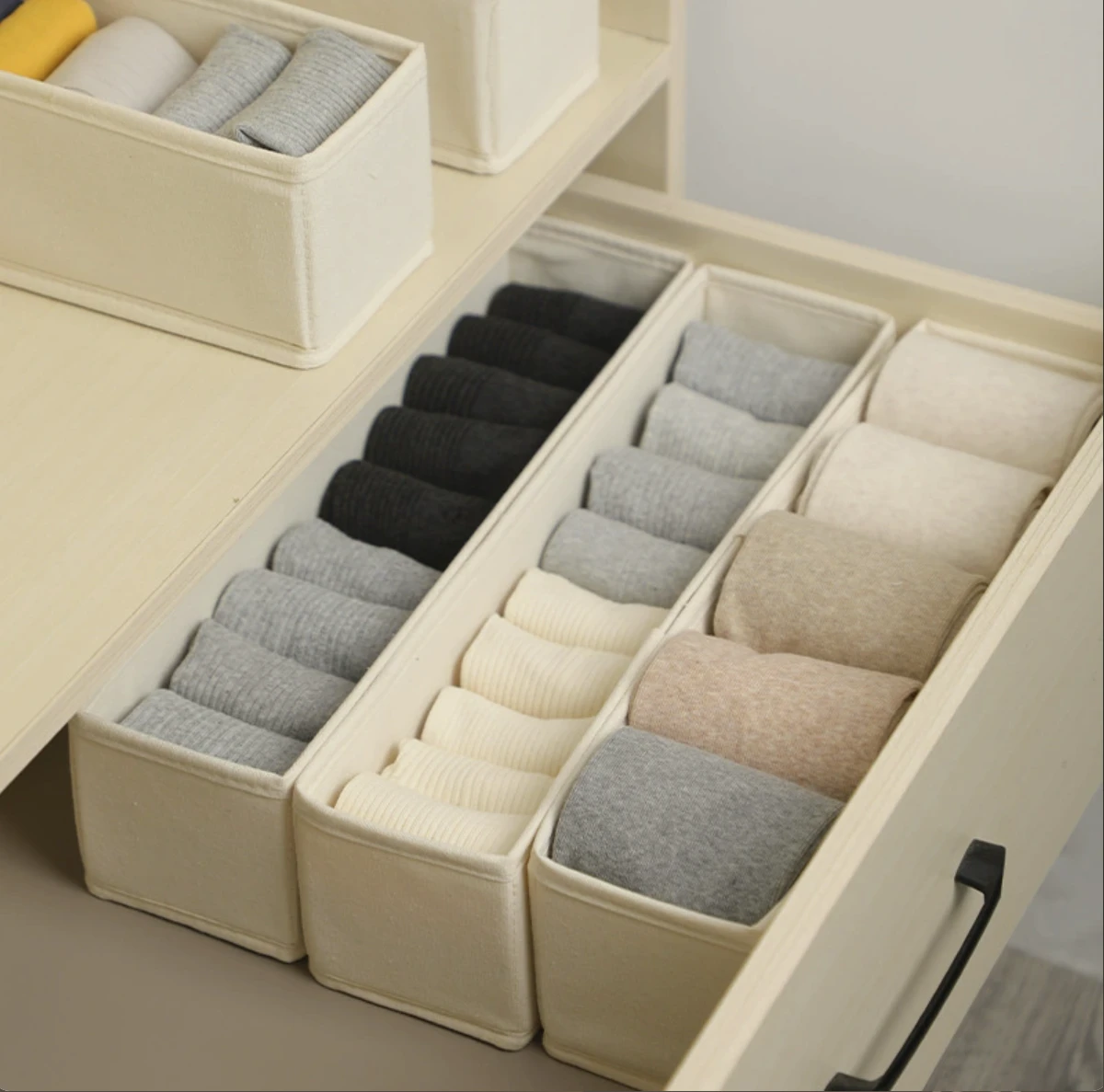
- Format: describe the requested band, hangtag, bag, box or organizer as a requirement to review, not an assumed available option.
- Dimensions: inside usable dimensions, folded sock dimensions, orientation and closure; check on a physical packing sample.
- Material and finish: required material, color, print area and any finish. Do not infer environmental claims from appearance.
- Receiving: how staff identify the variant without opening every pack and whether individual or location-level sorting is required.
Separate artwork from product information
Provide the artwork revision, print dimensions, placement and color references. Identify which text is brand artwork and which fields change by SKU: size, composition, care information, quantity and product code.
- Supply artwork you own or are authorized to use.
- Mark the approved language and exact text for each target market; do not infer mandatory statements from a sample image.
- Provide your assigned SKU and barcode data where required. Agree how readability and the correct variant assignment will be checked; a printed barcode is not proof of retail-system registration.
- Record responsibility for label content and market requirements. This guide does not certify compliance or create regulatory text for you.
Write a carton and location allocation
For each destination or studio, list SKU, size, color, pairs per unit pack, packs per carton, total pairs and carton identification. The unit-pack count and carton count must reconcile with the approved order allocation.
Illustrative count check
In an example of 60 pairs packed as three-pair sets, there are 20 sales units. If a carton holds five such units, four cartons hold the 60 pairs. This is an arithmetic example, not a standard carton capacity. Actual dimensions, weight, protection and transport requirements must be agreed.
State whether mixed cartons are allowed and where the packing list and location identifiers appear. Confirm extra sorting work before comparing packaging prices.
Approve one packing reference before bulk work
- Check the actual socks folded inside the proposed pack, not only a digital mockup.
- Match dimensions, material, print position and closure to the specification.
- Verify variable fields against the SKU list and check the agreed barcode reading process.
- Record sample photos, artwork revision, approved changes and the approving person.
- Confirm pack and carton quantities, cost inclusions and the process for changes after approval.
For a reorder, retain the approved reference and ask whether materials, artwork and dimensions remain available. No identical repeat-order lead time is guaranteed.
Discuss your packaging specification Compare packaging cost inclusions